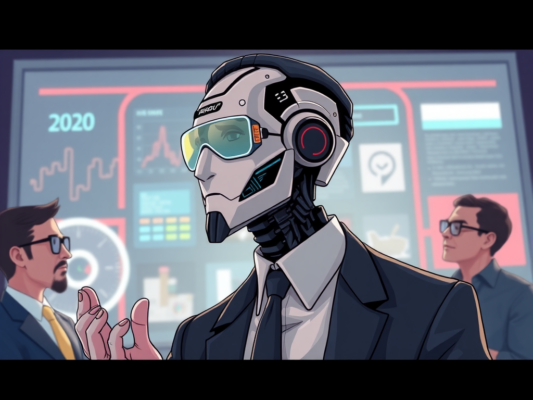
The Hidden Dangers of Relying Too Much on AI Technology
The rapid advancement of AI technology has undoubtedly revolutionized many aspects of our lives, from autonomous vehicles to virtual assistants. However, as we become increasingly reliant on AI, there are hidden dangers that we must be aware of. One of the main risks of over-reliance on AI technology is the potential loss of critical thinking skills. When we rely too heavily on AI to make decisions for us, we may become complacent and lose our ability to think critically and analyze situations effectively. This can lead to a dangerous dependence on AI that inhibits our own problem-solving abilities. Additionally, the lack of transparency in AI algorithms can lead to biased decision-making and reinforce existing social inequalities. It is essential to strike a balance between utilizing AI technology for its benefits while also maintaining our own cognitive abilities and critical thinking skills.
Navigating the Pitfalls of Excessive Dependence on AI Systems
Navigating the pitfalls of excessive dependence on AI systems can be a challenging task for businesses and individuals alike. While AI technology offers numerous benefits and efficiencies, it is important to recognize the potential risks and limitations associated with over-reliance on these systems. One of the key concerns is the lack of human oversight and control, which can lead to errors or biases in the AI algorithms. Additionally, there is the risk of job displacement as more tasks become automated, potentially leading to a loss of jobs in certain industries. It is crucial to strike a balance between leveraging AI technology for its advantages while also maintaining human involvement and oversight to mitigate these risks.

Incorporating AI into decision-making processes can also result in a loss of critical thinking and problem-solving skills among individuals. Relying too heavily on AI systems to make complex decisions can weaken our ability to think critically and analyze information independently. This can have far-reaching consequences, particularly in situations where human judgment and intuition are essential. It is important to remember that AI is a tool to assist us, not a replacement for our inherent cognitive abilities. By maintaining a healthy level of skepticism and continuing to develop our critical thinking skills, we can better navigate the potential pitfalls of excessive reliance on AI systems.
Another risk of over-dependence on AI systems is the potential for data privacy and security breaches. AI technology relies heavily on vast amounts of data to function effectively, raising concerns about the protection of sensitive information. As AI systems become more integrated into various aspects of our lives, the risk of data breaches and cyber attacks increases. It is essential for businesses and individuals to prioritize data security measures and ensure that proper safeguards are in place to protect against potential threats. By taking proactive steps to safeguard data privacy and security, we can mitigate the risks associated with over-reliance on AI systems.
Overall, while AI technology offers numerous benefits and efficiencies, it is important to approach its integration with caution and mindfulness. By acknowledging the potential risks and limitations of over-dependence on AI systems, we can better navigate the challenges that come with incorporating this technology into our lives. By striking a balance between leveraging AI for its advantages and maintaining human oversight and control, we can harness the power of AI while also mitigating its potential pitfalls. It is crucial to remember that AI is a tool to assist us, not a replacement for our human capabilities. Through thoughtful consideration and proactive measures, we can navigate the complexities of excessive reliance on AI systems and ensure a more secure and sustainable future.
Why Over-Dependency on Artificial Intelligence Poses Risks for Businesses
Businesses today are increasingly turning to artificial intelligence (AI) to streamline their operations, enhance decision-making processes, and improve overall efficiency. While AI undoubtedly offers numerous benefits, such as automation and predictive analytics, over-reliance on this technology can pose significant risks. One of the main reasons why businesses should be cautious about becoming too dependent on AI is the potential for errors and biases in the algorithms. AI systems are only as good as the data they are fed, and if this data is flawed or biased, it can lead to inaccurate results and decision-making. Additionally, AI technology is still evolving, and there are limitations to what it can do, making it crucial for businesses to not rely solely on AI for critical tasks or decisions. This underscores the importance of maintaining a balance between human judgment and AI capabilities to mitigate risks and ensure optimal outcomes.
Frequently Asked Question
The Risk of Over-Reliance on AI
As the use of artificial intelligence continues to grow in various industries, there is a concern about the potential risks of over-reliance on AI. One of the main risks is the loss of human control and decision-making. When we rely too heavily on AI systems to make decisions for us, we run the risk of becoming too dependent on technology and losing the ability to think critically and independently.
Impact on Job Security
Another risk of over-reliance on AI is the potential impact on job security. As AI technology becomes more advanced, there is a fear that many jobs could be automated, leading to a significant loss of employment opportunities. This could have serious consequences for the economy and society as a whole, leading to increased inequality and social unrest.
Data Privacy Concerns
One of the major concerns surrounding AI is the issue of data privacy. AI systems rely on vast amounts of data to function effectively, and there is a risk that this data could be misused or compromised. As personal data becomes more and more valuable in the digital age, there is a growing concern about how AI systems handle and protect sensitive information.
Algorithmic Bias
Algorithmic bias is another significant risk of over-reliance on AI. AI systems are only as good as the data they are trained on, and if this data is biased or flawed, the algorithms produced by the system will also be biased. This can lead to discriminatory outcomes and reinforce existing inequalities in society. It is essential to address and mitigate algorithmic bias to ensure that AI systems are fair and equitable.