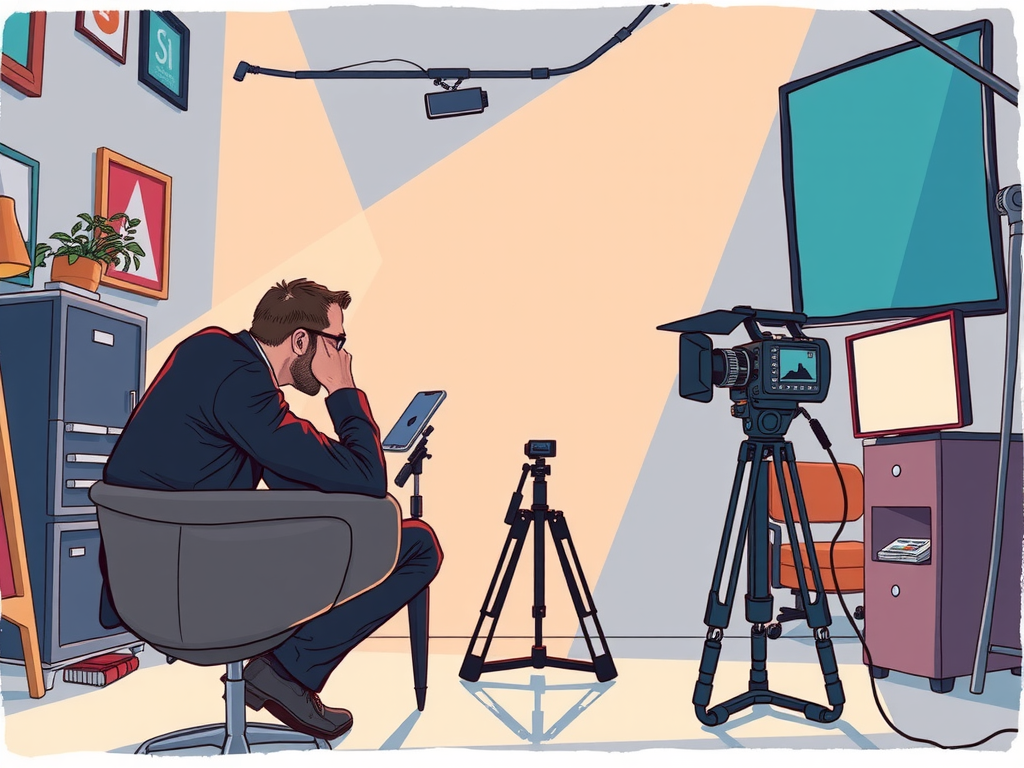
Have you ever watched a movie or video and been captivated by the stunning visuals? That's the magic of cinematography in video production. Cinematography plays a vital role in creating the look and feel of a video, setting the mood, and telling a story through imagery. From lighting and camera angles to color grading and framing, every aspect of cinematography contributes to the overall visual impact of a video.
Understanding the role of cinematography in video production is crucial for creating engaging and visually appealing content. Whether you're shooting a commercial, a short film, or a social media video, the way you approach cinematography can make a world of difference in the final product. In this article, we'll explore the importance of cinematography in video production and provide tips for achieving professional-looking visuals that will captivate your audience. Keep reading to discover how you can take your video production skills to the next level!
Enhancing Visual Storytelling through Cinematography
Cinematography plays a crucial role in enhancing visual storytelling in video production. Through the use of various techniques such as lighting, framing, and camera movement, cinematographers are able to evoke emotions, set the mood, and create a visually compelling narrative that captivates the audience.

One of the key aspects of cinematography is the use of lighting to create a certain atmosphere or mood. By adjusting the intensity, color, and direction of light, cinematographers can effectively convey the emotions and tone of a scene. Whether it's using soft, diffused light for a romantic scene or harsh, dramatic lighting for a suspenseful moment, lighting plays a significant role in shaping how the audience perceives the story.
Another important element of cinematography is framing. By carefully selecting the composition and framing of each shot, cinematographers can direct the viewer's attention to specific elements within the frame. Whether it's a close-up to convey intimacy or a wide shot to establish the setting, framing helps to visually communicate the story in a way that engages the audience.
In addition to lighting and framing, camera movement also plays a vital role in visual storytelling. By using techniques such as panning, tilting, and tracking shots, cinematographers can create dynamic and engaging visuals that enhance the narrative. Camera movement can evoke a sense of movement, create a sense of space, and guide the viewer's eye through the scene, adding depth and dimension to the storytelling.
The Impact of Cinematography on Video Production Quality
Cinematography plays a crucial role in determining the quality of a video production. The way a scene is captured, framed, and lit can greatly impact the overall look and feel of a video. Good cinematography can elevate a video production from average to outstanding, capturing the viewer's attention and immersing them in the story being told.
– Cinematography sets the tone and mood of a video, influencing how the audience perceives the content.
– The use of lighting, angles, and composition can enhance the visual appeal of a video, making it more engaging and memorable.
– Cinematography can help convey emotions and themes effectively, adding depth and complexity to the storytelling.
– The quality of cinematography can also reflect the professionalism and attention to detail of the video production team.
Utilizing Cinematography Techniques for Effective Video Creation
Cinematography techniques play a crucial role in the creation of compelling videos that capture the audience's attention from start to finish. By utilizing various cinematography techniques, video creators can enhance the visual appeal of their content and effectively convey their message to viewers. One of the key aspects of utilizing cinematography techniques is understanding how different camera angles, lighting, framing, and movement can impact the overall look and feel of a video.
Using creative camera angles can help add depth and dimension to a video, making it more visually interesting for viewers. Lighting is another essential element of cinematography that can set the mood and tone of a video, whether it be bright and cheerful or dark and dramatic. Framing plays a crucial role in directing the viewer's focus and creating a sense of balance within the frame. Additionally, incorporating movement through techniques such as panning, tilting, and tracking shots can add dynamic energy to a video and keep viewers engaged throughout.
Incorporating these cinematography techniques into video production can help creators tell a more compelling story and evoke an emotional response from their audience. By understanding how to effectively utilize camera angles, lighting, framing, and movement, video creators can elevate the quality of their content and create videos that leave a lasting impression on viewers. So, next time you are creating a video, consider how you can use cinematography techniques to enhance the overall impact of your content.
Frequently Asked Question
The Role of Cinematography in Video Production
When it comes to video production, cinematography plays a crucial role in capturing visually stunning shots that help tell a compelling story. Cinematographers are responsible for framing shots, choosing camera angles, and lighting scenes to create the desired mood and atmosphere. Their expertise in using different camera techniques and equipment can elevate the overall quality of a video production.
How Does Cinematography Impact the Overall Look and Feel of a Video?
The cinematography of a video can greatly influence its aesthetic appeal and emotional impact on viewers. By controlling factors such as lighting, camera movement, and composition, cinematographers can create visually striking images that evoke specific emotions and convey the intended message of the video. The use of different filming techniques can also enhance the storytelling aspect of the video, making it more engaging and memorable for the audience.
What Skills Are Required to Excel in Cinematography?
To excel in cinematography, individuals need to have a strong understanding of camera equipment, lighting techniques, and composition principles. They must also possess a creative eye for framing shots and a keen sense of visual storytelling. Additionally, having good communication skills and the ability to collaborate effectively with directors, producers, and other crew members is essential for success in this role.
How Can Cinematography Enhance the Narrative of a Video?
Through the use of cinematography, filmmakers can visually reinforce the narrative of a video and immerse viewers in the story being told. By carefully selecting camera angles, lighting setups, and shot compositions, cinematographers can emphasize key plot points, characters, and emotions within the video. This attention to detail helps create a cohesive visual language that enhances the overall storytelling experience for the audience.
Conclusion
In conclusion, cinematography plays a crucial role in video production by creating visually compelling and engaging content. It is the art of capturing images that convey emotions, set the mood, and tell a story. Through the use of lighting, framing, camera movement, and composition, cinematographers bring a director's vision to life on screen. A well-executed cinematography can enhance the overall quality of a video and evoke a powerful emotional response from viewers. Therefore, it is essential for filmmakers to pay attention to the cinematography in order to create impactful and memorable videos.