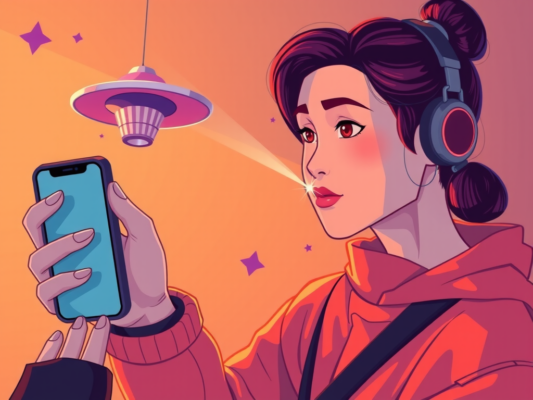
Unveiling the World of Virtual Influencers
Virtual influencers have taken the social media world by storm in recent years, blurring the lines between reality and digital artistry. These computer-generated personalities, carefully crafted by skilled designers and marketers, have amassed millions of followers and engagement rates that rival those of traditional influencers. This phenomenon has given rise to a new era of influencer marketing, where brands collaborate with virtual beings to promote products and services to their devoted fan base. But what exactly are virtual influencers, and how do they fit into the ever-evolving landscape of digital marketing? Let's dive in and unravel the world of virtual influencers.
One of the defining features of virtual influencers is their photorealistic appearance, which often makes it difficult to distinguish them from real people at first glance. These digital avatars are brought to life through advanced graphics technology, giving them a lifelike presence on social media platforms. From their flawless skin to their carefully curated outfits, virtual influencers are designed to embody the epitome of beauty and style, capturing the attention of followers around the world.
Despite their non-human origins, virtual influencers are able to connect with audiences on a deep and personal level, thanks to their carefully scripted personalities and engaging content. These digital personalities often share snippets of their daily lives, from fashion shoots to behind-the-scenes moments, creating a sense of authenticity and relatability that resonates with their followers. By fostering this sense of connection, virtual influencers are able to build a loyal fan base that eagerly awaits their next post or update.

In conclusion, virtual influencers represent a new frontier in the world of influencer marketing, offering brands a unique and innovative way to reach consumers in the digital age. With their stunning visuals, engaging personalities, and ability to connect with audiences on a personal level, virtual influencers have become a powerful force in the world of social media. As this trend continues to grow, it will be fascinating to see how brands and marketers leverage the influence of these digital beings to drive engagement, brand awareness, and ultimately, sales. So, stay tuned as we explore the fascinating world of virtual influencers and the impact they have on the future of marketing.
Diving Deep into the Phenomenon of Virtual Influencers
Virtual influencers have been taking the digital world by storm, and many people are still trying to wrap their heads around this fascinating phenomenon. These computer-generated personalities have amassed a huge following on social media platforms like Instagram and TikTok, engaging with their audience through posts and videos just like human influencers. But what sets them apart is that they are entirely virtual, created using advanced CGI technology.
One of the main reasons behind the rise of virtual influencers is the ability to control every aspect of their image and persona. Since they are not bound by physical limitations, virtual influencers can be customized to fit any brand or campaign perfectly. This level of control allows companies to create a consistent brand image and message without relying on the unpredictable nature of human influencers.
Despite the initial skepticism surrounding virtual influencers, they have proven to be incredibly effective at reaching and engaging with audiences. Their unique and eye-catching appearance, combined with carefully curated content, has helped them stand out in a crowded social media landscape. As technology continues to advance, it's likely that we will see even more virtual influencers making a splash in the digital world.
Understanding the Role and Impact of Virtual Influencers
Virtual influencers are computer-generated personalities that have been gaining popularity on social media platforms in recent years. These virtual influencers interact with followers, post content, and even collaborate with brands, just like human influencers. Despite not being real people, virtual influencers have a significant impact on social media users and the marketing industry as a whole.
One of the key roles of virtual influencers is to engage with followers through visually appealing content and relatable personalities. Virtual influencers can connect with a wide audience and build a loyal following, just like human influencers. Additionally, virtual influencers offer a unique and innovative marketing approach that can help brands reach new demographics and increase brand awareness.
Virtual influencers have the potential to influence consumer behavior and purchasing decisions, making them valuable assets for brands looking to expand their reach in the digital age. By partnering with virtual influencers, brands can create authentic and engaging content that resonates with their target audience and drives conversions. As virtual influencers continue to grow in popularity, it is essential for marketers to understand the role and impact of these digital personalities in the ever-evolving landscape of influencer marketing.
Frequently Asked Question
What are Virtual Influencers?
Virtual influencers are digital characters or avatars created by brands or individuals to represent them online. These virtual influencers can interact with followers, promote products, and even collaborate with real-life influencers. They are becoming increasingly popular in the world of social media marketing.
How do Virtual Influencers Work?
Virtual influencers work by using advanced technology to create realistic and engaging digital personas. These virtual influencers can post content on social media, engage with followers, and even attend events on behalf of the brand or individual that created them. They are programmed to act and speak in a way that resonates with their target audience.
Why do Brands Use Virtual Influencers?
Brands use virtual influencers because they offer a unique and innovative way to connect with consumers. Virtual influencers can help companies reach new audiences, generate buzz around their products, and create engaging content that stands out on social media platforms. Using virtual influencers can also help brands stay ahead of the competition and show that they are forward-thinking.
Are Virtual Influencers Effective?
Yes, virtual influencers can be very effective in reaching and engaging with audiences. Their digital nature allows them to be more flexible and creative in their content creation, making them stand out in a crowded social media landscape. Virtual influencers can also generate a lot of buzz and media attention, helping brands increase their visibility and reach a larger audience.
How are Virtual Influencers Different from Human Influencers?
Virtual influencers are different from human influencers in that they are not real people but digital avatars. While human influencers rely on their personal brand and authenticity to connect with followers, virtual influencers are created and controlled by brands or individuals. This allows for more control over the messaging and content that is shared, but can also come across as less genuine to some audiences.